
Autumn Budget 2026: what it means for Surrey businesses
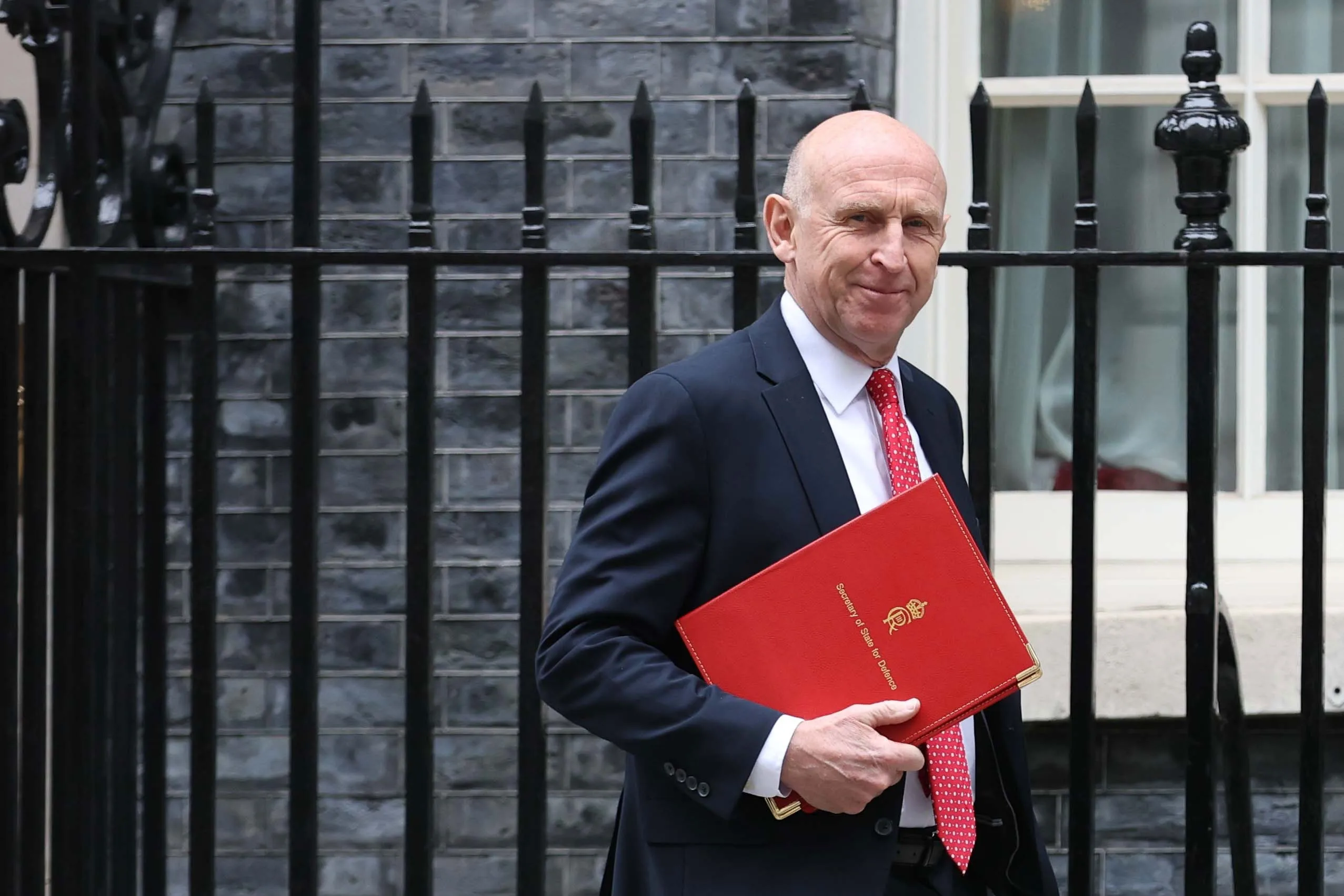
If you run a shop, café, salon or pub in Dorking or Leatherhead, Wednesday’s Budget may have brought some welcome news. Chancellor John Healey delivered the Autumn Budget 2026 on 28 October, his first since taking office in July, and pitched it as breathing space for households and businesses. There were no rises to the headline rates of income tax, National Insurance or VAT, and corporation tax stays at 25%. Underneath, though, there is plenty of detail that local businesses need to know.
The Autumn Budget 2026 at a glance
In short, the Autumn Budget 2026 was a small Budget made up of targeted measures rather than sweeping reform. The Office for Budget Responsibility upgraded its UK growth forecast for this year to 1.2%, and full expensing for business investment remains in place. Most of the business changes take effect from April 2027, which gives you around five months to plan.
Business rates relief for the high street
The headline measure for small businesses is business rates. From April 2027, the Small Business Rates Relief threshold for retail, hospitality and leisure properties in England rises from £12,000 to £18,000 of rateable value. The government expects around 70,000 more businesses to pay no business rates at all.
Retail, hospitality and leisure properties above the new threshold will see bill increases capped at inflation for the next two years. Pubs, social clubs and live music venues get a 20% cut from April 2027, and the Supporting Small Business scheme has been extended for another year.
There is a longer-term shift too. A growing share of business rates will be kept locally, starting at 20% from April 2027 and rising to 100% by the end of the decade.
Support for founders, sole traders and side hustles
The trading allowance triples from £1,000 to £3,000, so people earning a little on the side can make more before tax applies. If your costs are high or you made a loss, speak to your accountant first, because using the allowance means you cannot also deduct your expenses.
A new Founders’ Relief will charge capital gains tax at 10% on up to £10 million of lifetime gains for founders of the UK’s highest-growth companies. A Young Entrepreneurs Allowance will help cover a year of living costs for young people starting out, and the British Business Bank is doubling its funding for female-led businesses to £200 million. Self-employed fathers and eligible partners will also gain access to parental leave.
What the Budget means for employers
The National Living Wage and National Minimum Wage rise by 3.9% from 1 April 2027, taking the National Living Wage to £13.21 an hour. For smaller employers in hospitality and retail, that is the cost to build into next year’s plans now.
On the positive side, the tax-free mileage rate of 55p for the first 10,000 business miles is now permanent, and the rate beyond 10,000 miles rises from 25p to 35p. Firms using EMI or CSOP share option schemes will find the limits have increased, and the advance notification form for R&D tax relief claims will no longer be needed from April 2027.
Autumn Budget 2026 tax changes to watch
Selling or passing on your business
From 6 April 2027, the lifetime limit for Business Asset Disposal Relief halves from £1 million to £500,000. If you plan to sell, retire or hand over your business in the next few years, take advice early.
Property, savings and rental income
Tax on property and savings income rises by a further two percentage points from April 2027, on top of the increase already announced last year. Landlords, and business owners with commercial rental income, should review their position. The £20,000 cash ISA limit stays.
Admin, VAT and investment
Sole traders and landlords joining Making Tax Digital for Income Tax in April 2027 (those with income above £30,000) will not face late filing penalties during 2027 to 2028. Online marketplaces will become responsible for VAT on significant online sales, which should help level the playing field for UK sellers. The main rate of capital allowances falls from 14% to 12%, although the £1 million Annual Investment Allowance still covers most small business spending.
Energy and fuel
The 5p fuel duty cut has been extended to July 2027, and the cut to VAT on household electricity bills has been extended. Small businesses already on a qualifying reduced-rate electricity supply should check with their supplier whether they benefit.
What it means for Mole Valley businesses
Mole Valley is home to a large number of independent shops, cafés, pubs and professional firms, so the business rates changes could make a real difference on our high streets and in our villages. Many of the businesses we meet at our monthly breakfasts will recognise themselves in the retail, hospitality and leisure category. The same sectors will feel the higher wage bill most, so the overall picture is modest help with costs, with more of the tax burden shifting towards savings, property and investment income.
Your Autumn Budget 2026 checklist
Check your rateable value on GOV.UK to see whether you fall under the new £18,000 threshold.
Update your payroll budget for the £13.21 National Living Wage from April 2027.
Make sure mileage claims use the new 55p and 35p rates.
Talk to your accountant before April 2027 if you plan to sell your business, receive rental income or use the trading allowance.
Get ready for Making Tax Digital if your self-employed or rental income is over £30,000.
Autumn Budget 2026 FAQs
Chancellor John Healey delivered it on Wednesday 28 October 2026.
No. The headline rates of all three are unchanged.
Most business measures start in April 2027, including the new business rates threshold, the higher National Living Wage and the lower Business Asset Disposal Relief limit.
If you run a retail, hospitality or leisure business in England with a rateable value below £18,000, you should pay none from April 2027. You can check your rateable value on GOV.UK.
The official Budget documents are on GOV.UK, and HMRC publishes detailed guidance as each measure is confirmed. The Office for Budget Responsibility publishes the economic forecasts. For advice on your own situation, speak to your accountant. We will also share updates in the Chamber newsletter.
Get the full picture
Budgets are always clearer a week later, once the detail has been digested. Surrey Chambers of Commerce is hosting an Autumn Budget Breakfast Briefing on Thursday 5 November at the Harbour Hotel, Guildford, with experts from Moore Kingston Smith, Moore South and Lloyds Bank. Closer to home, join us for some Surrey business networking at our November breakfast at The Watermill on Wednesday 18 November, and talk it through with fellow business owners. Not yet a member? Find out how joining the Chamber could help your business.
This article is a general summary based on the Chancellor’s announcements and early analysis on Budget day. It is not tax or financial advice, and details may change as the legislation is published.
CHECKOUT MOLE VALLEY CHAMBER EVENTS HERE
Are you a local business in the Mole Valley District and interested in joining the chamber? Find out more here.